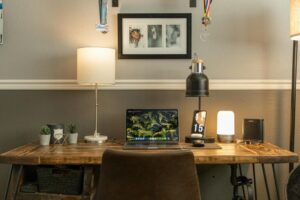
Tips for Creating a Cozy and Inviting Home Office Space
Creating a cozy and inviting home office space is essential for staying productive and motivated throughout your workday. Whether you have a dedicated room or just a corner in your living area, making your workspace comfortable and welcoming can help reduce stress and increase efficiency. In this post, we’ll explore practical tips to help you design a home office that feels both inviting and functional.
Choose the Right Location
The first step in creating a comfortable workspace is selecting the best spot in your home. Ideally, you want a space that receives plenty of natural light. Natural light can uplift your mood and reduce eye strain. If possible, set up your office near a window with a pleasant view.
If natural light is limited, invest in quality lighting options. A desk lamp with adjustable brightness and warmth can mimic natural sunlight and help keep you focused.
Invest in Comfortable Furniture
Comfort is key in any workspace. A good chair with ergonomic support helps prevent back pain during long hours of sitting. Look for chairs with adjustable height, lumbar support, and breathable fabric.
Your desk should be the right height so your arms rest comfortably while typing. If space allows, consider a desk with extra surface area to accommodate your computer, notes, and other essentials without feeling cramped.
Personalize Your Desk Area
Adding personal touches can make your workspace feel more inviting. Use items like family photos, artwork, or meaningful objects on your desk or nearby shelves.
Plants are another fantastic addition; they bring a touch of nature indoors and can improve air quality. Small potted plants like succulents, snake plants, or peace lilies are low maintenance and add life to your office.
Keep Your Space Organized
A cluttered workspace can lead to distractions and stress. Use storage solutions such as shelves, drawers, or desk organizers to keep supplies and documents tidy.
Labeling boxes or files makes it easier to find what you need quickly. Regularly declutter your desk to keep only the items you frequently use within arm’s reach.
Use Soothing Colors and Textures
Color and texture play an important role in creating a calming environment. Choose wall colors that promote focus, like soft blues, greens, or neutral tones.
Incorporate textures through accessories such as cushions, rugs, or curtains. A plush rug under your desk or a soft throw over your chair can add warmth and comfort to the space.
Manage Noise Levels
Noise can be distracting, especially if you share your home with family members or roommates. Consider soundproofing options like heavy curtains, rugs, or acoustic panels to reduce echo and outside noise.
Alternatively, use noise-canceling headphones or play background music or white noise to mask disturbances and help you concentrate.
Optimize Your Technology Setup
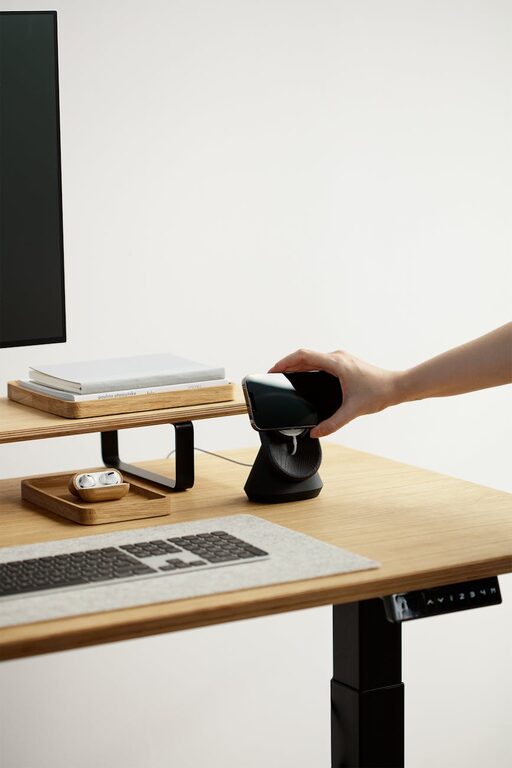
A smooth technology setup improves productivity and reduces frustration. Arrange your computer, keyboard, mouse, and monitors ergonomically to avoid strain.
Keep cables organized using cable clips or sleeves to prevent tangling. Regularly update your software and maintain your devices to avoid technical interruptions.
Incorporate Break Areas and Relaxation Spaces
If your home office has extra room, create a small area to step away from your desk during breaks. This can be a cozy chair or a meditation corner with cushions and calming decor.
Taking short breaks in a dedicated relaxation space helps recharge your mind and improves focus when you return to work.
Maintain Good Air Quality
Good ventilation is important for your comfort and health. Open windows when possible to let fresh air circulate.
Consider using an air purifier if your office lacks ventilation. Add plants that purify the air to further improve the atmosphere.
Set Boundaries for Work-Life Balance
Finally, create clear boundaries between work time and personal time. If possible, close the door to your home office when work hours end.
Using a designated workspace signals to your brain when it’s time to focus and when it’s time to relax, helping maintain a healthy balance.
—
By following these tips, you can create a home office space that feels cozy and welcoming, making it easier to stay motivated and productive. Remember, the key is to balance comfort with functionality while adding personal touches that reflect your style. Your ideal workspace is one where you enjoy spending time and can accomplish your best work.